
Modern California Interior Design: Contemporary Style
California has a distinctive relationship with design.
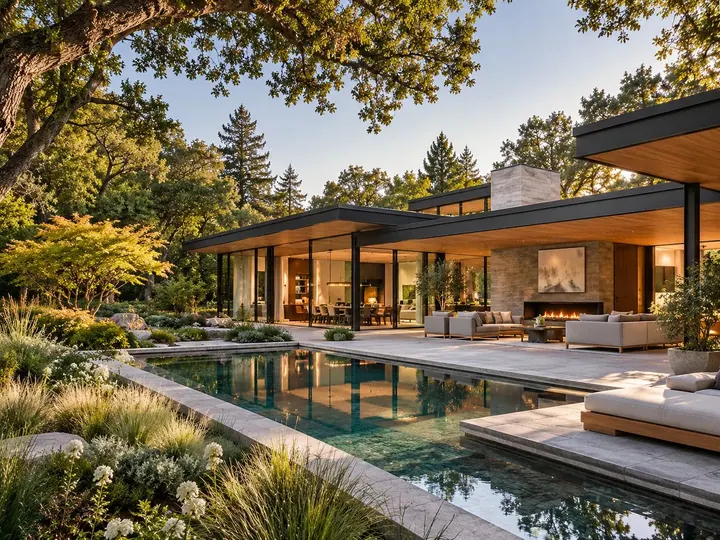
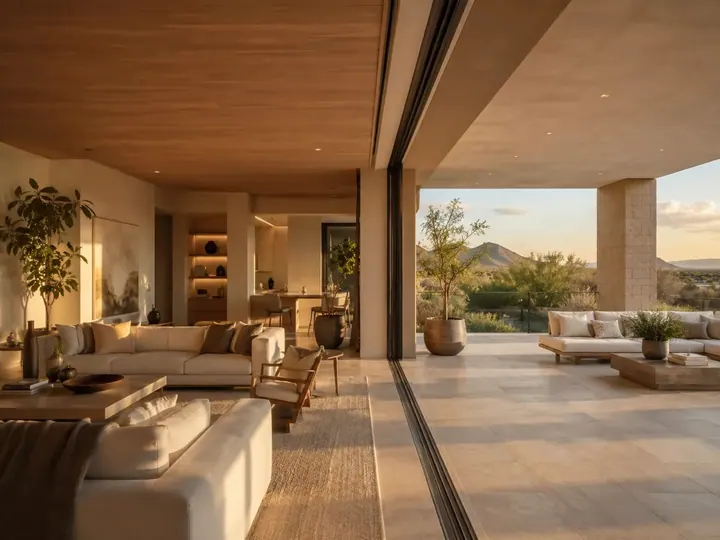
Natural light moves through expansive windows. Warm wood and natural stone bring texture to contemporary architecture. Outdoor spaces become natural extensions of the home. Carefully selected furnishings, artwork, and materials create interiors that feel sophisticated without being overly formal.
These qualities define much of modern California interior design.
Yet California style is not a single aesthetic. A San Francisco residence may balance historic architecture with contemporary furnishings, while a Los Angeles home might emphasize sculptural forms, expansive glass, and a seamless connection between interior and exterior spaces.
What connects them is a thoughtful approach to architecture, materials, light, and the way people live.
At Tower Design, we consider interiors, furnishings, art, materials, and architecture as elements of one cohesive experience. Our approach is rooted in creating highly individual residences that feel refined, comfortable, and connected to their surroundings.
The result is a contemporary California interior that feels both sophisticated and personal.
What Defines Modern California Interior Design?
Modern California interior design combines contemporary architecture and furnishings with natural materials, restrained colors, thoughtful proportions, and a strong relationship with the surrounding environment.
Rather than following a rigid set of decorating rules, the style emphasizes balance.
Clean architectural lines can be softened by textured fabrics. Expansive windows can bring natural light into rooms finished with warm wood and stone. Contemporary furnishings can sit alongside vintage pieces, distinctive artwork, and carefully curated objects.
The atmosphere is relaxed, but the design is deliberate.
A successful California interior does not need to be entirely neutral or minimalist. It may include expressive artwork, sculptural furniture, rich materials, or unexpected combinations of old and new.
What matters is how these elements work together.
The goal is to create a home that feels effortless because every detail has been carefully considered.
Key Elements of Modern California Interior Design Style
Modern California interior design brings together natural materials, thoughtful color palettes, architectural details, and a strong connection to the outdoors. These elements work in harmony to create interiors that feel contemporary, refined, and effortlessly comfortable.
Natural Materials Bring Warmth to Contemporary Spaces
Natural materials are central to California interior design style.
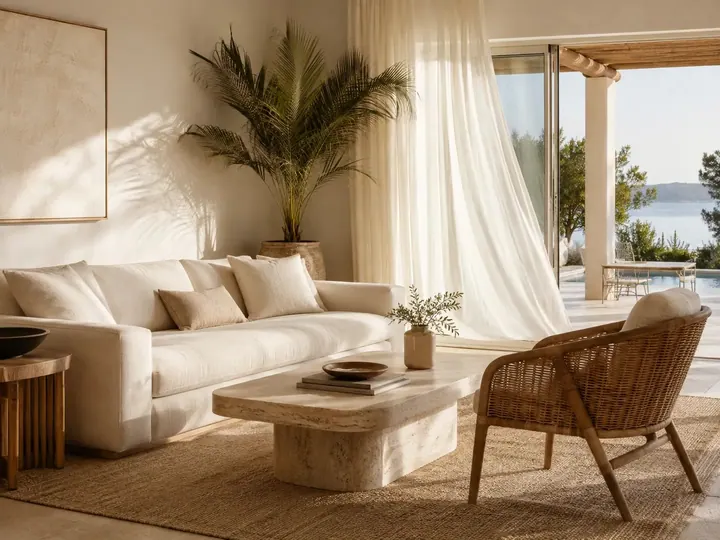
Wood, stone, plaster, linen, wool, leather, and other tactile finishes introduce depth and warmth into contemporary environments. They also create subtle variations that make an interior feel individual rather than overly manufactured.
A natural oak cabinet can soften a clean-lined kitchen. A honed stone surface can bring quiet character to a living room. Hand-finished plaster can add depth to a wall without requiring additional decoration.
The most successful interiors use these materials with restraint.
Rather than introducing too many finishes, consider selecting a few complementary materials and allowing them to repeat throughout the home. Wood might connect cabinetry with custom furniture, while stone appears in flooring, fireplaces, or architectural details.
Texture provides another layer of interest.
Linen upholstery can soften stone and wood. A wool rug can ground a seating arrangement. Natural leather can introduce contrast against lighter fabrics and finishes.
This approach creates richness without visual clutter.
At Tower Design, material selection is part of the larger design composition. Each finish should contribute to the atmosphere of a room while supporting its architecture, function, and intended use.
A California Color Palette Beyond Neutrals
California style interiors are often associated with warm whites, beige, and natural wood. These colors provide a beautiful foundation, but a contemporary palette can offer considerably more depth.
Soft ivory, warm gray, muted olive, mineral blue, terracotta, charcoal, and deep brown can all work within a refined California interior.
The key is to establish a relationship between colors rather than treating each one as an independent statement.
A warm white wall might complement oak cabinetry and a stone floor. Muted green upholstery can introduce a connection to the landscape. Dark bronze accents can add definition, while a carefully selected piece of artwork introduces a more expressive note.
Location can also influence the palette.
In the San Francisco Bay Area, interiors may respond to coastal light, mature gardens, historic architectural details, and views toward the water or surrounding hills. In Los Angeles, the relationship between sunlight, landscaping, architecture, and outdoor living may suggest a different combination of tones and textures.
Neither approach requires a predictable coastal or California-inspired theme.
The most compelling palettes feel connected to their surroundings while reflecting the personality of the people who live there
Architecture and Natural Light Shape the Interior
Architecture plays an essential role in contemporary California interior design.
Windows, ceiling heights, openings, circulation, and the relationship between rooms influence how an interior feels long before furnishings are introduced.
Natural light is particularly important.
It changes the appearance of materials throughout the day, reveals texture, and creates a sense of movement within a space. A window framing a mature tree can become a focal point, while a carefully positioned opening can draw attention toward a garden or distant view.
The architectural approach should respond to the existing home.
In a historic San Francisco residence, preserving original proportions, moldings, woodwork, or other architectural details may be central to the design. Contemporary furnishings and updated finishes can provide contrast without erasing the character of the building.
In a Los Angeles residence with a more open architectural plan, expansive glazing, strong horizontal lines, and carefully considered transitions between rooms may establish the visual composition.
In both settings, the objective is to make architecture, light, and interiors work together.
Windows should be considered in relation to privacy, furniture placement, solar exposure, and views. Window treatments should complement the architecture while providing the necessary control over light and visibility.
The best interiors do not simply accommodate architecture. They allow its character to become part of the experience.
Indoor-Outdoor Living as a Natural Extension
One of the most recognizable qualities of modern California home design is the relationship between indoor and outdoor spaces.
A living room may open onto a landscaped terrace. A dining area can connect to an outdoor entertaining space. A carefully positioned window can bring a garden into the visual composition of a room.
These connections can make a home feel more expansive without necessarily increasing its interior square footage.
Achieving this continuity requires more than installing large glass doors.
Furniture placement, circulation, flooring, materials, lighting, shade, and the character of the outdoor environment all influence how the spaces relate to one another.
For example, a terrace may repeat the tones of interior stone and wood without using identical materials. Outdoor seating can complement the proportions of the living room, while planting and lighting can create an attractive view from inside.
The approach should also respond to the home’s location, orientation, privacy, and exposure to the elements.
At Tower Design, we view indoor-outdoor living as a unified design experience rather than two separate areas.
Explore our article on bringing the indoors outdoors for a closer look at how architecture, materials, furnishings, and landscape can work together.
Furnishings That Balance Comfort and Sophistication
Furniture establishes how a home feels and functions.
In California modern interior design, furnishings often combine clean silhouettes with inviting materials, comfortable proportions, and distinctive shapes.
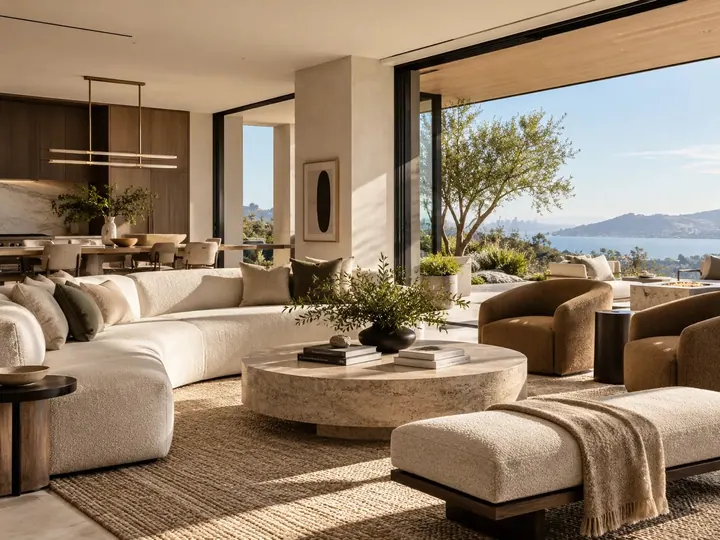
A low-profile sofa can establish a relaxed foundation for a living room. Sculptural lounge chairs can introduce character without overwhelming the architecture. A substantial dining table can create a natural gathering point, while carefully selected lighting adds another layer of visual interest.
The arrangement matters as much as the individual pieces.
Furniture should support conversation, maintain comfortable circulation, and preserve important sightlines. In rooms with significant views, seating can be oriented toward the landscape rather than automatically facing a television or interior wall.
Mixing furniture styles can also make a room feel more personal.
A contemporary sofa might sit alongside a vintage chair. A sculptural table can provide contrast against a simple architectural backdrop. Custom furnishings can address particular proportions or functions that standard pieces cannot accommodate.
The goal is not to furnish a room with pieces that simply match.
It is to create a considered composition that reflects how the home will be lived in.
Art and Personal Details Make the Space Individual
A contemporary interior should reflect the people who inhabit it.
Art, objects, books, collected pieces, and meaningful furnishings give a home character beyond its architectural finishes.
A large painting can introduce color into a restrained room. A sculptural object can create a focal point on a console. A carefully chosen photograph can establish a visual relationship with the landscape or provide an unexpected contrast.
At Tower Design, art and curation are important considerations in the overall interior composition.
The strongest results come from understanding how each piece relates to the surrounding space. Artwork should be considered in relation to wall proportions, lighting, furniture, and other visual elements rather than treated as an afterthought.
Restraint remains important.
Not every surface needs an object, and not every wall needs artwork. Giving selected pieces room to breathe allows their form, material, and meaning to become more apparent.
A well-designed home should feel collected over time, even when its individual elements have been carefully coordinated.
Bringing California Style Into Different Homes
There is no single formula for California interior design. The approach should respond to the architecture, location, and lifestyle of each residence.
San Francisco Bay Area Homes
The Bay Area offers a wide variety of residential architecture, from historic urban homes to contemporary residences surrounded by gardens and open landscapes.
In older homes, thoughtful design may involve preserving original architectural features while introducing modern lighting, refined materials, contemporary furnishings, and more functional layouts.
Natural wood, textured fabrics, carefully selected artwork, and a restrained color palette can help create continuity between historic character and contemporary living.
Where views or gardens are available, furniture placement and window treatments can help establish a stronger relationship with the outdoors.
Explore our Project: Midcentury Modern Inspired Silicon Valley Private Enclave
The objective is to respect what makes the home distinctive while allowing it to support modern life.
Los Angeles Homes
Los Angeles provides another interpretation of contemporary California living.
Depending on the residence, the design may emphasize expansive glazing, open living areas, sculptural architecture, landscaped outdoor spaces, or a stronger connection between interior rooms and terraces.
Material contrast can be particularly effective in these environments. Warm wood can soften concrete or stone, while textured upholstery and carefully selected artwork bring comfort and personality to clean-lined architecture.
Outdoor spaces may function as extensions of the home’s living and entertaining areas, making the relationship between interior furnishings, landscape, lighting, and circulation especially important.
View our Santa Monica Interior Project
In both the Bay Area and Los Angeles, successful design begins with understanding the individual property rather than imposing a predetermined style.
A More Personal Approach to Contemporary California Living
The most compelling modern California interiors are not defined by a checklist of materials or a particular furniture style.
They are defined by how successfully the elements come together.
Architecture establishes the structure. Materials introduce texture and warmth. Natural light creates an atmosphere. Furnishings support everyday life. Art brings individuality, while the surrounding environment provides context.
At Tower Design, we approach residential interiors as highly individual compositions. The intention is to create spaces that feel cohesive without becoming predictable, sophisticated without becoming formal, and contemporary without losing their warmth.
Whether you are reimagining an existing residence or planning a new home, thoughtful design can bring these elements together into a unified experience.
Creating a Home That Reflects Your Way of Living
Modern California interior design is ultimately about more than aesthetics.
It is about creating a home that responds to its architecture, connects with its surroundings, and reflects the people who live there.
The right combination of materials, furnishings, lighting, art, and spatial planning can transform the experience of a residence without relying on passing trends.
At Tower Design, we bring these elements together to create refined, personal interiors shaped around each home’s individual character.
If you are considering a new residence or a significant interior transformation in the San Francisco Bay Area or Los Angeles, connect with Tower Design or schedule a private design consultation.
The goal is not simply to create a contemporary California interior.
It is to create a home that feels distinctly yours.
Frequently Asked Questions
Modern California interior design combines contemporary architecture, natural materials, thoughtful lighting, refined furnishings, restrained colors, and a connection between indoor and outdoor spaces. The result is an interior that feels sophisticated, comfortable, and personal.
California interior design style is often characterized by natural textures, warm materials, comfortable furnishings, abundant natural light, and a relaxed relationship between architecture and the surrounding environment. Its expression varies according to the home’s location and architectural character.
Warm white, ivory, taupe, soft gray, natural wood tones, muted green, mineral blue, and earthy accents can all work well. The best palette complements the architecture, natural light, materials, and surrounding landscape.
Preserve distinctive architectural details where appropriate, then introduce contemporary furnishings, updated lighting, refined materials, and carefully selected artwork. A thoughtful balance between original features and modern elements can make a home feel current without erasing its identity.
It considers terraces, gardens, patios, and other exterior areas as extensions of the interior. Glazing, furniture placement, complementary materials, lighting, and circulation can help create a more cohesive relationship between indoor and outdoor spaces.
Yes. Contemporary furnishings, natural materials, updated lighting, and thoughtful space planning can complement historic architecture. The approach should respect the home’s original character while improving how its spaces function and feel.
Written by the Tower Design studio.
Book a consultation