
Interior Design Inspired By Nature: Home as a Refuge
There is something instinctively comforting about being surrounded by nature.
The warmth of natural wood. The texture of stone beneath your hand. Soft daylight moving across a plaster wall. A view toward trees, mountains, water, or an open landscape. Even the quiet presence of organic shapes and natural materials can change how a room feels.
The most successful interiors often understand this connection without making it obvious.
They do not attempt to recreate the outdoors indoors. Instead, they draw from nature’s colors, textures, proportions, materials, light, and sense of balance to create spaces that feel grounded, calm, and deeply connected to their surroundings.
This is the essence of nature-inspired interior design.
At Tower Design, we believe a home should respond to the environment around it while reflecting the people who live there. Whether designing a contemporary residence in the Bay Area, a lush Northern California retreat, or a refined home along the West Side of Los Angeles, our approach considers architecture, interiors, furnishings, art, materials, and light as elements of one cohesive experience.
The result is not simply a beautiful interior.
It is a home that feels like a refuge.
What Is Nature-Inspired Interior Design?
Nature-inspired interior design takes visual and sensory cues from the natural world and translates them into an interior environment.
This can include natural materials such as stone, wood, linen, leather, plaster, and woven fibers. It can also appear through earthy colors, organic forms, natural light, botanical views, handcrafted details, and furniture with sculptural or fluid silhouettes.
But nature-inspired design is not a decorating style defined by a particular color palette or collection of materials.
It is more thoughtful than that.
The goal is to create an environment that feels connected to its setting and comfortable to experience over time.
A Northern California home might draw inspiration from mature trees, weathered wood, stone, soft coastal light, and the layered greens of the surrounding landscape. A Southern California residence may respond to warm sunlight, gardens, pools, natural materials, and the relaxed character of coastal living.
In both cases, inspiration from nature in design begins with understanding the place.
Bringing Nature Indoors Through Materials
Materials are among the most powerful tools in nature interior design.
Natural stone, wood, plaster, linen, wool, leather, metal, and woven fibers can introduce depth and tactility while establishing a relationship with the surrounding environment.
The most sophisticated interiors rarely use every natural material at once.
Instead, they create balance.
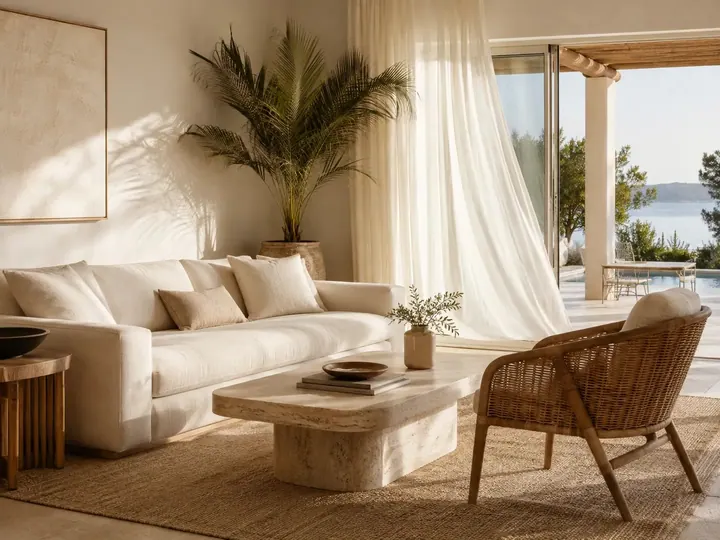
A honed stone surface might sit alongside warm oak cabinetry. A textured plaster wall may provide a quiet backdrop for sculptural furniture. Linen upholstery can soften harder architectural materials, while bronze or aged metal introduces subtle contrast.
The objective is not to make a room feel rustic.
It is to make it feel authentic.
Natural materials also tend to develop character over time. Variations in grain, texture, color, and patina create an interior that feels individual rather than mass-produced.
At Tower Design, material selection is approached as part of the larger architectural and interior composition. Each finish should contribute to the atmosphere of the space while supporting how the home will actually be lived in.
Color and Form Drawn From the Landscape
Nature provides an almost endless source of color inspiration.
A sophisticated nature-inspired palette does not necessarily need to be filled with obvious greens and browns. It might begin with the quiet colors found in a particular landscape: warm sand, limestone, desert clay, muted sage, weathered oak, ocean blue, soft gray, or aged bronze.
The most successful palettes often feel as though they belong to the location.
For a Bay Area or Northern California residence, a palette of warm woods, stone, soft greens, muted grays, and natural mineral tones can create a quiet relationship with mature trees and lush surroundings. Along the West Side of Los Angeles, warmer neutrals, natural woods, soft whites, sandy tones, and subtle coastal colors can complement gardens, pools, and the relaxed character of Southern California living.
Form matters just as much as color.
Nature rarely relies on perfect straight lines. Branches curve, stones are irregular, and waves move continuously. These qualities can inspire curved sofas, rounded tables, sculptural chairs, softly shaped lighting, and architectural openings.
This balance between structure and softness is especially important in modern nature inspired interior design.
Clean architectural lines can remain contemporary while organic forms and natural materials introduce warmth.
Natural Light as a Design Material
Few elements influence an interior more dramatically than natural light.
It changes color, texture, proportion, and atmosphere throughout the day.
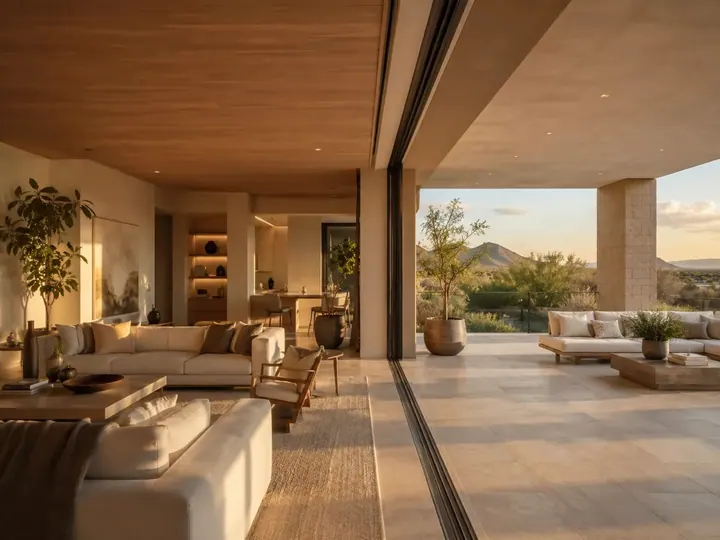
For this reason, windows and architectural openings should be considered as more than functional elements. They can frame views, establish focal points, bring changing light into a room, and create a stronger connection between interior and landscape.
A carefully positioned window can make a mature tree feel like part of the architecture.
A large opening can turn a distant mountain range into artwork.
A skylight can bring daylight into a space that might otherwise feel enclosed.
At Tower Design, the relationship between light, architecture, materials, furnishings, and views is considered as part of the overall composition.
The intention is not simply to bring more light into a room.
It is to understand how light can shape the experience of the room.
Designing Around Views and the Surrounding Landscape
When a home occupies a remarkable setting, the landscape should become part of the interior experience.
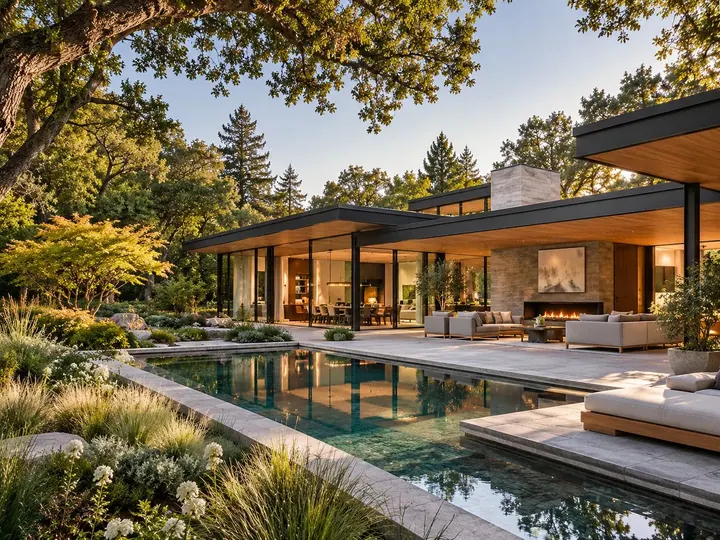
That might be a coastal view in California, mature trees in the Bay Area, a lush garden, a courtyard, a pool, or even a single carefully framed tree.
Furniture placement can help direct attention toward these views.
A lounge chair positioned toward a garden can create a quiet reading moment. A dining table oriented toward the landscape can make everyday meals feel connected to the outdoors. A bedroom positioned around a significant view can transform the beginning and end of each day.
This is where inspiration from nature in design becomes more than an aesthetic exercise.
The surrounding environment influences how the home is planned, experienced, and remembered.
Creating a Sense of Refuge Through Layered Texture
A refuge should feel comfortable without feeling visually crowded.
Texture plays an important role in achieving this balance.
Smooth stone can contrast with woven textiles. Matte plaster can sit beside polished metal. Soft upholstery can balance architectural surfaces. Wood grain can introduce warmth into a contemporary room.
Layering these materials creates visual depth while maintaining a sense of restraint.
This is particularly important in luxury interiors, where quality often comes through subtle details rather than excessive decoration.
A room may contain relatively few objects, yet each one can contribute something meaningful: a sculptural piece of furniture, a hand-finished wall, a carefully selected textile, or a piece of artwork that complements the architecture.
The objective is not abundance. It is intention.
Nature-Inspired Design Does Not Mean Rustic
One common misconception is that nature-inspired interior design must look rustic, traditional, or heavily organic.
It does not.
A nature-inspired interior can be highly contemporary.
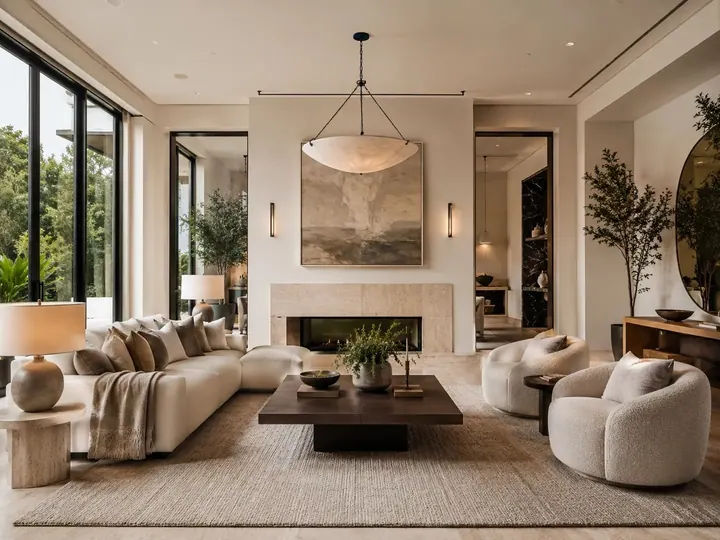
Clean architectural lines can be paired with natural stone. Minimal cabinetry can be balanced with warm wood. Sculptural lighting can contrast with textured plaster. Contemporary furnishings can sit comfortably within a desert or coastal setting.
The difference comes from the materials, proportions, textures, and relationship to the environment.
Modern design becomes warmer when natural materials are introduced thoughtfully.
Nature-inspired design becomes more sophisticated when it is edited carefully.
This balance creates an interior that feels current without being dependent on short-lived trends.
Art, Furnishings, and Objects With a Natural Connection
Nature can also influence the decorative elements within a home.
Artwork may reference landscapes, geology, botanical forms, water, or abstract interpretations of the natural world. Sculptural objects can echo organic shapes without directly imitating them.
Furniture can contribute in the same way.
A stone table, sculptural wood console, handwoven textile, or organically shaped chair can become an individual expression of the overall design language.
At Tower Design, art and curation are considered an important part of the interior experience. The objective is to select pieces that complement the architecture and furnishings while giving the home personality.
The strongest interiors do not feel decorated.
They feel collected, considered, and personal.
Three Ways to Bring Nature Into Your Home
You do not need to completely renovate your home to introduce a stronger connection with nature.
1. Start With Natural Materials
Introduce authentic materials where they can have the greatest visual and tactile impact.
Consider:
- Natural stone countertops or flooring
- Wood cabinetry or furniture
- Linen and wool textiles
- Hand-finished plaster
- Woven materials
- Aged or natural metals
- Handmade ceramics
Choose fewer materials and use them consistently rather than introducing too many competing finishes.
2. Create a Stronger Relationship With Natural Light
Look carefully at how daylight moves through your home.
Can furniture be repositioned to take advantage of a beautiful window? Can heavy window treatments be simplified? Could a mirror reflect natural light into a darker area?
Sometimes the most meaningful improvement is not adding something.
It is revealing what is already there.
3. Edit the Space
Nature is not visually cluttered.
A peaceful interior often benefits from the same restraint.
Remove unnecessary objects. Allow important furniture and artwork to breathe. Create clear sightlines. Give architectural details room to become visible.
A quieter interior can feel more luxurious because attention is directed toward what truly matters.
Related post: 6 Ways to Elevate Your Luxury Home with Interior Design
Creating a Nature-Inspired Home During a Remodel
A remodel offers an opportunity to reconsider the relationship between the interior and its surroundings.
Windows can be repositioned. Materials can be replaced. Floor plans can be opened or reorganized. Indoor and outdoor areas can be connected more intentionally.
But successful remodeling is not about changing everything.
It is about identifying which changes will have the greatest impact.
A significant view – whether it looks toward mature trees, a garden, a pool, or the California landscape – may deserve a new architectural opening. An overly dark room may benefit from improved natural light. A disconnected patio may become more useful through thoughtful furniture, shade, lighting, and material selection.
When architecture, interiors, landscape, and furnishings are considered together, the transformation can feel remarkably cohesive.
For inspiration, explore Tower Design’s luxury interior design projects to see how materials, architecture, furnishings, art, and environment can come together to create highly individual homes.
A Home That Feels Like a Refuge
The idea of home has always been about more than shelter.
It is where we retreat from demanding days. Where we gather with family and friends. Where we wake up, slow down, entertain, reflect, and recharge.
A nature-inspired interior supports these experiences by creating an environment that feels grounded and connected.
It may be through the warmth of wood beneath your hand.
The texture of a stone wall.
The changing light across a room.
The view beyond a window.
The quiet presence of a garden.
Or simply the feeling that everything in the room has been chosen with purpose.
A home as a refuge does not need to be disconnected from the world. It can be deeply connected to the natural environment while giving you a place to step away from its demands.
That is where thoughtful interior design becomes more than aesthetics.
It becomes atmosphere.
Designing a Home Inspired by Nature
Creating a successful nature-inspired interior requires more than selecting natural materials or earthy colors.
It requires understanding the relationship between architecture, landscape, light, materials, furnishings, art, and the people who will live within the space.
At Tower Design, we approach each residence as an individual design story. Our work brings together interiors, architecture, furnishings, art, and the surrounding environment to create homes that feel refined, comfortable, and deeply personal.
Whether you are envisioning a contemporary Bay Area residence surrounded by mature landscape, a Northern California retreat shaped by trees and natural light, or a sophisticated West Side Los Angeles home connected to gardens and outdoor living, the same principle remains:
The most meaningful luxury is often found in how a home makes you feel.
If you are ready to create a residence that feels connected to its surroundings and designed around the way you live, connect with Tower Design or schedule a private design consultation.
Your home can be more than a beautiful space.
It can be your refuge.
Frequently Asked Questions
Nature-inspired interior design is an approach that draws inspiration from the natural world through materials, colors, textures, organic forms, natural light, landscape views, and a strong connection between the interior and its surroundings.
Start with natural materials, a restrained color palette, organic textures, thoughtful furniture placement, and better use of natural light. Views toward gardens, trees, mountains, water, or other landscape features can also strengthen the connection.
No. Nature-inspired interiors can be highly contemporary and sophisticated. Clean architectural lines, modern furnishings, sculptural lighting, stone, wood, plaster, and natural textiles can create a refined modern environment.
Natural stone, wood, plaster, linen, wool, leather, woven fibers, ceramics, and aged metals are all effective choices. The key is how these materials are combined and how they respond to the home’s architecture and location.
Modern nature-inspired interior design combines contemporary architecture and furnishings with natural materials, organic forms, earthy or mineral-inspired colors, natural light, and a connection to the surrounding landscape.
Location can influence materials, colors, lighting, architecture, views, and indoor-outdoor connections. A Bay Area or Northern California home may respond to mature trees, lush gardens, changing natural light, and the surrounding landscape, while a West Side Los Angeles residence may draw from coastal light, pools, gardens, warm materials, and indoor-outdoor living.
Yes. Nature-inspired principles can be incorporated into both new construction and existing residences. Depending on the home, the process may involve materials, furnishings, lighting, artwork, furniture placement, architectural changes, or stronger connections to outdoor spaces.
Written by the Tower Design studio.
Book a consultation